
It's Not About Him: London Women Are Reclaiming Boudoir
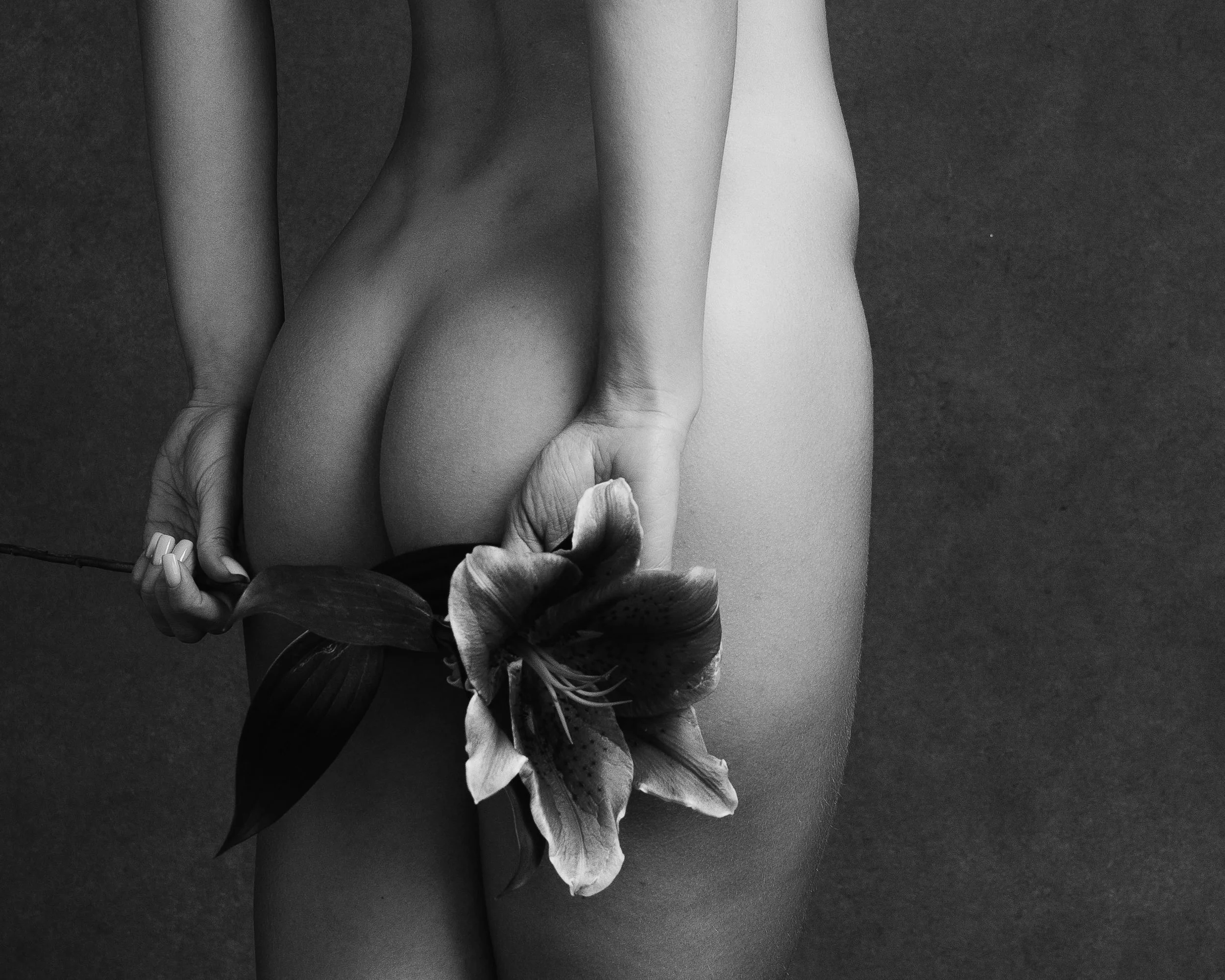
It's Not About Him: Why London Women Are Reclaiming Boudoir Photography
Boudoir Photography London: Why Women Are Choosing Empowerment Over Gifts!
Yesterday, The Guardian published a powerful piece exploring why women are paying thousands for boudoir photography—and more importantly, what they're really getting out of it. The article featured women whose lives were genuinely transformed by their experiences, women who walked into studios as one person and walked out fundamentally changed.
As a London boudoir photographer who witnesses these transformations daily in my Canary Wharf studio, I need to say this: The Guardian got it right.
But there's one quote that stopped me cold, one moment that captures everything about why this industry has evolved so dramatically: "It was no longer a gift for my husband. It was all for me."
That sentence? That's the revolution happening in boudoir photography right now. And it's long overdue.
The Old Story: Boudoir as a Gift for Someone Else
For years, boudoir photography was positioned as something you did for your partner. A wedding gift. An anniversary surprise. Something to spice up a relationship or celebrate a milestone—but always, always for someone else's benefit.
The messaging was clear: your body exists for someone else's pleasure. Your confidence matters because it makes you more attractive to your partner. Your transformation is valuable only if it serves a relationship.
And women bought into this narrative because, frankly, it was the only acceptable way to justify investing in yourself. You couldn't just say "I want to feel beautiful" without adding "for my husband." You couldn't celebrate your body without framing it as a gift to someone else.
The permission structure required an external beneficiary.
But something has shifted.
The New Reality: Boudoir as Self-Reclamation
What The Guardian article captures beautifully—and what I see every single week in my studio—is that women are no longer asking permission. They're no longer justifying. They're simply deciding: this is for me.
One woman in the article, Susan Lausier, booked her session as a gift for her husband. But five minutes in, when she saw herself through the photographer's lens: "It was no longer a gift for my husband. It was all for me."
That moment of recognition—of seeing yourself as worthy of celebration independent of anyone else's gaze—is what changes everything.
Because here's what happens when you stop performing for someone else and start showing up for yourself: you discover parts of yourself you'd forgotten existed. You reclaim space you'd given away. You remember that your worth isn't determined by how attractive someone else finds you.
You remember you're enough. Just as you are. Right now.
Why Are Women Choosing Boudoir Photography Now?
The Guardian article explores various reasons women book boudoir sessions: milestone birthdays, cancer diagnoses, divorce, surviving domestic abuse, weight loss and gain, pregnancy, childbirth. The list goes on.
But underneath all these specific catalysts, there's a common thread: women are choosing boudoir photography because they're tired of waiting for permission to celebrate themselves.
The Permission We've Been Waiting For
So many women tell me they've been planning to do this "when they lose weight" or "when they're in better shape" or "when they have more time" or "when they can afford it."
But those goalposts keep moving, don't they?
The truth is, we're not really waiting for the perfect body or the perfect moment. We're waiting for permission. Permission to take up space. Permission to be celebrated. Permission to invest in ourselves without justification.
Boudoir photography—when done right—gives you that permission. Not from a photographer or a partner or society. From yourself.
The Transformation Nobody Talks About
The Guardian piece describes women whose experiences "made them feel their lives were permanently changed." One woman got a new job she never would have applied for. Another started travelling solo for the first time. Another wore a wire bra and peacock feathers to Notting Hill Carnival instead of her usual baggy T-shirt.
These aren't small changes. These are fundamental shifts in how women see themselves and move through the world.
And here's what's crucial: these transformations had nothing to do with their partners' reactions. In fact, one husband was "nonplussed" by the photos—he couldn't understand why they were necessary.
Because he already saw his wife that way. But she hadn't seen herself that way.
That's what boudoir photography does. It doesn't change how others see you. It changes how you see yourself.
Why London Women Are Leading This Movement
London has always been at the forefront of cultural shifts, and boudoir photography is no exception. The women I photograph in my Canary Wharf studio—lawyers, doctors, entrepreneurs, mothers, teachers, artists—are part of this revolution.
They're not booking sessions as wedding gifts anymore. They're booking because:
They've survived something: Cancer. Divorce. Loss. Childbirth. And they want to celebrate the body that got them through it.
They've achieved something: A promotion. A business launch. A personal milestone. And they want to mark it on their own terms.
They've realized something: That life is short. That their bodies are worthy now, not twenty pounds from now. That celebration doesn't require justification.
They're reclaiming something: Their confidence. Their sensuality. Their sense of self that got lost somewhere between career demands and family obligations and societal expectations.
The common thread? They've stopped asking permission.
What Actually Happens in a Boudoir Session
The Guardian article describes one woman who was asked to "crawl across the floor with my full trust" while completely nude and uncovered. She describes feeling "those protections stripped away. There was nothing to hide behind, literally, figuratively."
This is where I need to add professional perspective: a good boudoir photographer never pushes you beyond your comfort zone without consent and trust built over time.
In my studio, here's what actually happens:
You arrive as yourself. Not the version you think you should be. Not twenty pounds lighter or ten years younger. Just you, right now, exactly as you are.
We build trust gradually. We start clothed. We talk. We laugh. We establish boundaries. I guide you through every pose, every angle, every moment. You're never left wondering what to do or feeling exposed without support.
You see yourself differently. When I show you the back of my camera—not at the end, but throughout the session—something shifts. You see what I see. Not flaws or imperfections, but strength, beauty, vulnerability, power.
You make choices. How much to reveal. Which images to keep. Whether to share them or keep them private. Every decision is yours.
You leave changed. Not because I've transformed you, but because you've seen yourself through a different lens. One that's generous, appreciative, honest.
The Unforgettable Element: Your Letter to Your Future Self
The Guardian article captures something profound about boudoir photography: it's not really about the photographs themselves. It's about the experience, the transformation, the shift in how you see yourself.
This is why my Unforgettable Experience includes something no other photographer offers: a letter you write to your future self.
Before your session, you write to the woman you'll be in five, ten, twenty years. You tell her what you want her to remember about this moment. What you want her to know about her younger self. What you hope she's learned or kept or celebrated.
That letter gets printed in your luxury album alongside your portraits.
Years from now, when you open that album, you won't just see how you looked. You'll read your own words. You'll reconnect with this version of yourself—the woman brave enough to celebrate herself exactly as she is.
Because that's what this is really about. Not creating images for someone else to enjoy. Creating a legacy for yourself to treasure.
Why This Isn't About Sex (Even Though You're in Lingerie)
One of the most important points in The Guardian article: "If it's not about sex—as all these women say—why do it in lingerie or less?"
The answer, as one photographer beautifully explains: "When you take away your clothes, you're left to deal with what you actually look like, what you are at your core."
This is about vulnerability, not sexuality.
When you're in lingerie—or less—you can't hide behind your carefully curated wardrobe. You can't perform the role you play at work or with your family. You're just you. Raw. Real. Unfiltered.
And that's terrifying.
And that's also where the transformation happens.
Because when you see yourself that vulnerable and that exposed—and you see beauty instead of flaws, strength instead of weakness, worth instead of inadequacy—something fundamental shifts.
You stop waiting for permission to take up space.
You stop apologizing for existing in a body that doesn't meet impossible standards.
You stop believing your worth is determined by how attractive someone else finds you.
You start showing up differently. In relationships. At work. In your own life.
The Professional Difference That Matters
The Guardian article rightly celebrates these transformative experiences. But I need to add an important caveat: not all boudoir photographers create this experience.
Some photographers focus purely on the technical aspects—lighting, posing, editing—without understanding the emotional journey their clients are on.
Some push boundaries without building trust first, leaving clients feeling exposed rather than empowered.
Some oversell and underprepare, creating pressure instead of transformation.
This is why choosing the right photographer matters just as much as choosing to do the session at all.
What to Look For in a Boudoir Photographer
Experience with diverse bodies. Every body is different. An experienced photographer knows how to work with all shapes, sizes, ages, abilities.
Transparent pricing. No surprises. No pressure. You should know exactly what you're investing before you book.
A focus on experience, not just images. The photographs are important, but the transformation happens during the session itself.
Professional boundaries. Your comfort and consent should be paramount. Always.
A safe, private space. Your session should be in a dedicated studio where you're the only focus, not squeezed between other appointments.
As an award-winning Master Photographer with international recognition from Portrait Masters and ICON Awards, I've spent years perfecting not just the technical craft, but the emotional intelligence required to create truly transformative experiences.
The Question That Matters
The Guardian article asks why women are paying thousands for boudoir photography. But that's not quite the right question.
The real question is: why have we been taught that investing in ourselves requires justification?
Why does celebrating your body need to be framed as a gift for someone else?
Why does acknowledging your own worth feel selfish or vain or unnecessary?
The women in that article—and the women I photograph—aren't paying for photographs. They're paying for permission. Permission to be seen. Permission to be celebrated. Permission to exist in their bodies without apology.
And once you give yourself that permission? Everything changes.
The Investment That Changes Everything
My Unforgettable Experience is £1800. It includes professional hair and makeup, a 3-4 hour luxury photoshoot, a custom 40-page coffee table album and your letter to your future self printed alongside your portraits.
But here's what you're really investing in:
Permission to celebrate yourself
Right now. Not twenty pounds from now. Not when you're "ready." Now.
A safe space to be vulnerable
With a photographer who understands that this isn't about creating sexy images for someone else. It's about seeing yourself with new eyes.
A tangible legacy
Not files hidden on a hard drive, but an album you'll hold in your hands and treasure for decades.
A transformation that extends far beyond the photographs
Into how you dress. How you show up at work. How you move through the world. How you see yourself.
The women in The Guardian article describe walking out of their sessions feeling like they could do anything. Getting new jobs they never would have applied for. Taking solo trips they'd never have considered. Wearing clothes they'd have been too self-conscious to try.
That's not about the photographs. That's about what happens when you finally give yourself permission to be enough.
This Is for You
If you've been telling yourself you'll do this "someday"—when you lose weight, when you have more time, when you can afford it, when you're ready—let me gently challenge that thinking.
Someday isn't a date on the calendar. It's a way of putting yourself last.
The women in The Guardian article didn't wait for perfect bodies or perfect moments. They decided their imperfect, complicated, beautiful selves were worth celebrating right now.
And they were right.
You don't need permission from your partner or your friends or society to invest in yourself.
You don't need to frame this as a gift for someone else to justify the expense.
You don't need to achieve some arbitrary standard of beauty or fitness or readiness.
You just need to decide: this is for me.
Because once you make that decision—once you stop performing for others and start showing up for yourself—everything changes.
Your Moment
The Guardian captured something real about what's happening in boudoir photography right now. Women are reclaiming this experience. Taking it back from the male gaze, from societal expectations, from the narrative that says our bodies exist for someone else's pleasure.
We're saying: this is for me. My body. My celebration. My terms.
London women are leading this movement. In boardrooms and hospitals and construction sites and classrooms, women are deciding they're worth celebrating. Not because they've achieved some impossible standard, but because they exist. Because they've survived. Because they're here.
If you're ready to reclaim your own celebration, I'd be honored to photograph you.
2026 sessions are booking now. Let's create something unforgettable—for you.
Frequently Asked Questions About Boudoir Photography for Yourself
-
No—boudoir photography has evolved far beyond being a gift for partners. Modern boudoir is about self-celebration and personal empowerment. While some women still choose to share images with partners, the majority of my clients book sessions entirely for themselves. This shift represents women reclaiming the experience from the male gaze and deciding their bodies are worth celebrating on their own terms, not as gifts for someone else. The transformation happens when you stop performing for others and start showing up for yourself.
-
Absolutely—your boudoir images are entirely yours, and you're under no obligation to share them with anyone, including partners. Many women keep their albums private, viewing them as personal treasures that document their journey and confidence. Some display them in private spaces, while others share selectively. The choice is completely yours, and there's no "right" way to enjoy your images. The experience itself—seeing yourself through a lens of appreciation rather than criticism—creates lasting transformation regardless of who else sees the photos.
-
Women choose boudoir photography as self-care because it creates space to celebrate themselves without apology. In a culture that constantly tells women their bodies aren't good enough, boudoir offers radical acceptance and appreciation. The experience combines professional pampering (hair and makeup), guided support (posing direction), and tangible validation (beautiful images) that many women rarely receive. Clients describe walking out of sessions feeling capable of anything—getting jobs they wouldn't have applied for, traveling solo, or simply moving through the world with new confidence. That's not superficial self-care; it's transformative.
-
Boudoir photography builds confidence by changing how you see yourself, not how others see you. During the session, you witness yourself being beautiful in real-time through the photographer's lens—not after losing weight or achieving some arbitrary standard, but exactly as you are right now. This immediate visual feedback challenges internalized criticism and replaces it with appreciation. Clients report lasting changes: wearing clothes they previously avoided, speaking up in meetings, setting boundaries in relationships, and generally taking up space without apologizing. The confidence shift happens because you've seen proof that you're worthy of celebration.
-
Investing in yourself is never selfish—it's essential. Women are conditioned to feel guilty about spending money on themselves without external justification, which is why boudoir was historically framed as "gifts for partners." But celebrating yourself, documenting your body at this life stage, and creating tangible proof of your worth isn't selfish. It's the same principle as investing in education, therapy, or health—you're prioritising your wellbeing. Many women describe their boudoir investment as life-changing, leading to career advances, healthier relationships, and improved mental health. That's not selfish; it's strategic self-investment.
-
The intention transforms the entire experience. Boudoir as a gift for a partner often involves performing—trying to look "sexy" according to someone else's preferences, worrying about their reaction, focusing on pleasing them. Boudoir for yourself centers your own experience: what makes you feel powerful, what celebrates your journey, what you want to remember about this version of yourself. The poses might look similar, but the emotional experience is completely different. Women doing boudoir for themselves report genuine transformation because they're not seeking external validation—they're giving it to themselves.escription
-
Yes—boudoir photography is powerfully healing after divorce or breakup because it helps you reclaim your body and identity as your own. After relationships end, especially difficult ones, many women realize they've lost connection with themselves. Boudoir creates space to celebrate who you are independent of partnership. You're not trying to attract someone new or prove anything to your ex; you're reconnecting with yourself. Clients describe feeling like they're "meeting themselves again" during these sessions. The images become tangible proof that you're complete and worthy on your own terms, not defined by relationship status.
-
Boudoir is especially empowering for women over 40 because it directly challenges ageist narratives about women's bodies "expiring" or becoming invisible after youth. Professional women in their 40s, 50s, and 60s often book sessions during life transitions—milestone birthdays, empty nest, career changes, divorce—when they're ready to reclaim space and visibility. These women bring life experience, confidence, and clarity about their worth that younger women often haven't yet developed. Boudoir celebrates the body that's carried you through decades of experiences, not despite aging but because of everything you've survived and achieved. It's revolutionary self-acceptance
-
Your boudoir images are for whatever brings you joy and confidence. Many women create luxury albums displayed in private spaces—master bedrooms, walk-in closets, home offices—where they can enjoy them regularly. Some frame favorite images in private areas. Others keep digital copies on phones for confidence boosts before important meetings or events. The letter-to-your-future-self component of my Unforgettable Experience creates a time capsule you'll treasure for decades, reading your own words alongside images of who you were at this moment. There's no "should"—only what feels meaningful to you.
-
Most partners understand when you explain that this is about your relationship with yourself, not your relationship with them. You might say: "I'm doing this to celebrate my body exactly as it is right now, to document this stage of my life, and to connect with parts of myself I've neglected." If your partner struggles with this, it often reveals discomfort with you claiming space or attention for yourself. A supportive partner will celebrate your self-investment even if they don't fully understand it. Remember: you don't need permission. Your body, your celebration, your choice.
-
Boudoir can be profoundly healing for trauma survivors when done with the right photographer in a safe environment, but it must be approached carefully and consensually. Many women who've survived abuse, sexual assault, or other trauma use boudoir to reclaim their bodies as their own—not objects for others' use but sources of strength and beauty. However, this work requires a trauma-informed photographer who understands consent, boundaries, and the difference between empowerment and re-traumatisation. If you're considering boudoir after trauma, discuss your needs openly during consultation and ensure your photographer has experience supporting survivors.
-
Women describe boudoir as life-changing because the transformation extends far beyond the session itself. Seeing yourself celebrated—not criticised, not objectified, but genuinely appreciated—rewires how you move through the world. Clients report getting promotions they wouldn't have pursued, traveling solo for the first time, leaving unhealthy relationships, wearing clothes they'd avoided, and generally taking up space without apologising. The images become tangible proof that you're worthy of celebration exactly as you are. That permission—to be enough right now—is what changes everything. It's not about the photographs; it's about what happens when you finally stop waiting for permission to celebrate yourself.
-
An empowerment-focused boudoir experience should include professional hair and makeup (so you feel pampered from the start), adequate session time (3-4 hours minimum for genuine relaxation), expert posing guidance (you're never left wondering what to do), and tangible finished products (not just digital files). My Unforgettable Experience includes something unique: a letter you write to your future self, printed in your luxury album alongside your portraits. Years from now, you'll read your own words and reconnect with this version of yourself—the woman brave enough to celebrate herself exactly as she is. That legacy—not just images, but your own voice speaking to your future self—is what creates lasting transformation.